Skip to content

Work settings

Petrochemical Plant Accident Lawyer

National · laws differ by state · Updated November 10, 2026

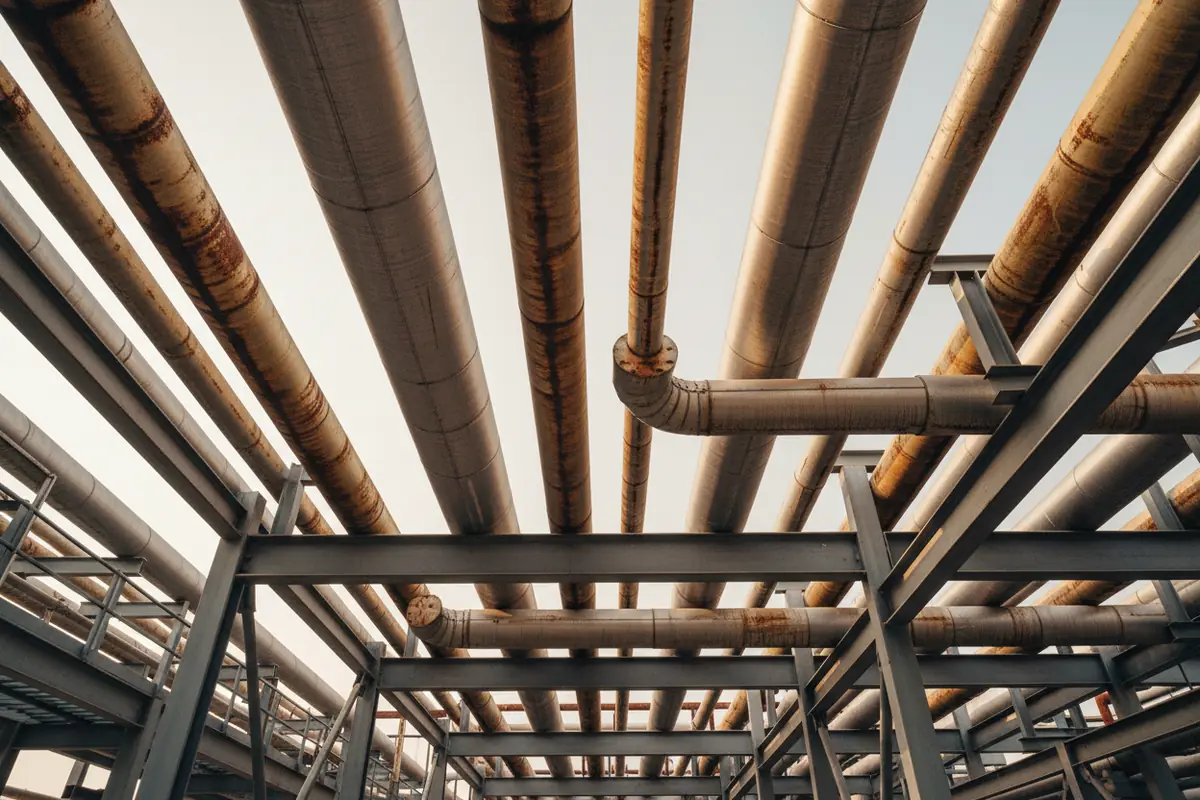
Overhead process pipes on a petrochemical plant rack, where toxic releases and injuries can occur.
Immediate answer

Hurt at a petrochemical plant? What OSHA's process safety and hazard communication rules require, who may be answerable by type, and which records matter.

On this page
  1. Key Takeaways
  2. What Qualifies as a Petrochemical Plant Accident Claim
  3. What the Plant Was Required to Do Before You Were Hurt
  4. Who May Be Responsible for Your Injury at a Chemical Plant
  5. Records That Often Matter in a Petrochemical Plant Accident Case
  6. Injuries and What the Law May Allow in Damages
  7. How the State Where You Were Hurt Shapes Your Claim
  8. Questions Worth Asking Before You Speak With a Petrochemical Plant Accident Attorney
  9. Frequently asked questions
  10. Sources

If you were hurt at a petrochemical or chemical plant, the claim usually reaches beyond your employer. A plant owner or operator that did not employ you, a contractor, an equipment maker or a chemical supplier may be answerable, depending on what happened. Federal safety standards describe what each owed, and the law of your state decides the claim.

Most people facing this have just come through an explosion, a fire, a release or a fall at a plant where they worked among process units and contractor crews they did not control. Now they are dealing with treatment, missed paychecks, and a company account of what happened that may not match their own. If a family member did not come home, the questions are heavier still: what happened, who was responsible, and what the family can do next.

This page is part of Oilfield Injury Claims Authority's coverage of energy-industry injuries, from wellsites to refinery accident cases to the chemical plants downstream of them. It explains how petrochemical plant cases are built: the federal rules that govern these processes, who may be responsible by type, the records that matter, and why state law shapes everything from deadlines to damages.

Key Takeaways

The plant where you were hurt likely ran under two federal workplace standards written for this kind of hazard. The process safety management standard, 29 C.F.R. § 1910.119, governs processes involving highly hazardous chemicals. The hazard communication standard, 29 C.F.R. § 1910.1200, governs how chemical hazards are classified and how information about them reaches employers and workers. Those standards often turn into a map of the paperwork a plant was expected to keep.

The employer is often not the only party in the picture. Petrochemical sites commonly bring together a host company, several contractors, equipment manufacturers and chemical suppliers, each with its own role and duties. Who held which duty frequently decides whether a claim exists beyond workers' compensation.

The U.S. Chemical Safety and Hazard Investigation Board, called the CSB, investigates certain chemical accidents and makes safety recommendations. It does not issue fines or citations, and its work is separate from any lawsuit.

No national rule governs the civil claim itself. Limitation periods, fault rules and damages rules differ by state.

These takeaways are orientation, not legal advice. The facts of a specific accident, and the state where it happened, determine what applies.

What Qualifies as a Petrochemical Plant Accident Claim

The work setting is the first fact that matters. A petrochemical or chemical plant processes, refines, stores or handles hazardous chemicals at industrial scale, often in pressurized vessels, reactors, piping and storage tanks linked into a single process. That setting is different from a drilling pad, and the difference has legal consequences explained below.

The kinds of incidents that bring workers into these cases include explosions, fires, toxic releases, equipment failures and falls from process structures such as platforms, pipe racks and tank tops. Chemical exposure as a long-term hazard is its own subject on this site; this page focuses on accidents at the plant.

The second fact is your relationship to the plant. A worker employed directly by the plant operator and a worker sent in by a contractor may both have legal options, but the paths differ. For an employee, workers' compensation is usually the starting point for a claim against the employer, and workers' compensation rules differ by state. A claim against someone other than the employer, called a third-party claim, is a separate legal avenue. For a contract worker, the plant owner or operator is often that third party.

When a case is evaluated, the questions tend to center on a few things:

  • the process and the chemicals involved, and the unit or area where the incident happened;
  • the safety data sheets, labels, warnings and training that were provided, or not provided;
  • which contractors were on site and what work each was doing;
  • the sequence of events leading up to the injury.

None of these is a test you pass or fail. They are the facts that usually shape whether a claim exists and against whom. Whether any claim exists, and what it may lead to, depends on those facts and is not assured. If your memory of the shift is incomplete, that is common after a serious injury; the gaps are often filled by the records described later on this page.

What the Plant Was Required to Do Before You Were Hurt

Catastrophic releases are what the process safety management standard was written to prevent. Its stated purpose, in 29 C.F.R. § 1910.119, is preventing or minimizing the consequences of catastrophic releases of toxic, reactive, flammable or explosive chemicals, which may result in toxic, fire or explosion hazards.

Whether the unit where you were hurt falls under this standard depends on what it held. Under paragraph (a)(1), the standard reaches a process involving a chemical at or above the threshold quantities listed in the standard's appendix A. It also reaches a process involving a Category 1 flammable gas, or a flammable liquid with a flashpoint below 100 °F, on site in one location in a quantity of 10,000 pounds or more. Two exceptions apply to that second category: hydrocarbon fuels used solely for workplace consumption as a fuel, if they are not part of a process containing another covered chemical, and flammable liquids stored in atmospheric tanks or transferred while kept below their normal boiling point without chilling or refrigeration. Paragraph (a)(2) says the standard does not apply to retail facilities, oil or gas well drilling or servicing operations, or normally unoccupied remote facilities.

If the unit was a "covered process," the plant carried its own safety obligations there, and a missing hazard briefing or an uncontrolled entry into that area becomes a question worth examining. That is one of the clearest lines between a plant case and a wellsite case, which is handled differently on the oilfield accident lawyer page. Whether the process met the thresholds is something the plant's own inventories and records usually show, and an attorney can help sort out what those records are likely to say.

Information about chemical hazards is governed by 29 C.F.R. § 1910.1200. Under paragraph (a), its purpose is to ensure that the hazards of all chemicals produced or imported are classified, and that information about those hazards is transmitted to employers and employees, through programs that include container labeling and other warnings, safety data sheets and employee training. OSHA's hazard communication page explains that chemical manufacturers and importers must evaluate the hazards of their chemicals and prepare labels and safety data sheets for downstream customers, and that all employers with hazardous chemicals in their workplaces must have labels and safety data sheets for exposed workers and train them to handle the chemicals appropriately.

In practical terms, a worker had a right to know what was in the line, vessel or tank. An unlabeled line or a missing safety data sheet may point to a gap in what the employer or supplier owed, which is why families often ask what warnings and training existed before the work began.

These standards set the expectations. A standard does not, by itself, show that anyone was at fault. Whether its requirements were met, and whether a gap caused the injury, depends on the facts.

Who May Be Responsible for Your Injury at a Chemical Plant

Responsibility at a petrochemical plant is usually divided among several parties, each described here by type, not by name. Whether any of them is answerable depends on the facts of the specific incident; this section describes categories, not conclusions.

The plant owner or operator, when it is not your direct employer, may face a claim based on premises liability: the legal duty a party that controls property owes to people working on it. How far that duty reaches, and what it requires toward contract workers, depends on the state's law.

Contractors and subcontractors carry their own duties toward the people around them. The process safety standard also places duties on the host employer, the company that owns the covered process. Under 29 C.F.R. § 1910.119(h)(2), when selecting a contractor the employer shall obtain and evaluate information about the contract employer's safety performance and programs. It shall also inform contract employers of the known potential fire, explosion or toxic release hazards of the contractor's work and the process; explain the applicable provisions of the emergency action plan; develop and implement safe work practices to control the entrance, presence and exit of contract employers and employees in covered process areas; periodically evaluate contract employers' performance of their own obligations; and maintain a contract employee injury and illness log for the contractor's work in process areas. Under paragraph (h)(1), these duties apply to contractors performing maintenance or repair, turnaround, major renovation or specialty work on or near a covered process, not to incidental services such as janitorial work, food service, laundry or delivery.

If you came in with a turnaround or maintenance crew, those duties may be part of the story, and the hazard briefing and site-entry controls you actually received can matter.

Equipment manufacturers may face a claim in product liability, the area of law that asks whether a product such as a valve, vessel, pump or instrument was defective and whether the defect caused the injury. A failure at the moment of an accident does not prove a defect; that question turns on the facts.

Chemical manufacturers, importers and suppliers carry the hazard classification, labeling and safety data sheet duties described above, which can matter in a failure-to-warn theory. Maintenance companies that serviced equipment or systems owe care in that work.

Records That Often Matter in a Petrochemical Plant Accident Case

Paperwork tends to carry these cases. Because plants operate under written safety programs, many of the facts that matter were recorded before the accident happened.

If you were hurt, the records that usually matter include:

  • safety data sheets for the chemicals involved, which, as OSHA's hazard communication page describes, employers with hazardous chemicals must have for exposed workers;
  • process safety management records, including the contract employee injury and illness log the host employer must maintain under paragraph (h)(2);
  • contractor training records, which under paragraph (h)(3) of the process safety standard the contract employer must prepare, showing the contract employee's identity, the training date and how understanding was verified;
  • incident reports, inspection records and maintenance logs for the equipment and unit involved;
  • medical records documenting the injury and every stage of treatment;
  • photographs and video from the scene, including anything taken on a phone;
  • names of coworkers and others who saw what happened, and any statements they gave.

Many of these documents are held by the employer, the plant operator or a contractor, not by the injured worker. Some may only come out through formal legal process during a lawsuit. Knowing what should exist is often the first step toward finding out what does.

Injured workers and families often keep their own pay stubs, shift schedules, texts about the job, and any badge, permit or work order they still have.

If the CSB opened an investigation into your accident, its work may become part of the record too. The CSB's own description says its investigators interview witnesses, obtain documents, send chemical samples and equipment to independent laboratories, and examine company safety records, inventories and operating procedures, so its findings can shed light on documents a worker never saw. Final reports may be adopted by a written vote of the Board or in a public meeting. A CSB report looks for root causes and makes recommendations; it is not a court finding of fault.

Injuries and What the Law May Allow in Damages

The injuries that follow these accidents often change a working life. They include blast and pressure injuries from explosions, harm from toxic releases, and traumatic injuries from falls off process structures or from equipment that fails under pressure. This page offers no medical advice; the medical records describe each injury and its treatment.

Damages are the categories of harm the law may allow a person to recover. Depending on the state and the facts, they may include medical expenses, past and future; lost wages and loss of earning capacity; and physical pain and suffering. Whether any category is available, and in what amount, is decided under the applicable state's law and is not predictable from the injury alone.

When a worker dies, the family's claim is usually one for wrongful death: a legal claim brought by surviving family members when a death results from another party's wrongful act. The state where the death occurred sets who may bring it, what damages it allows and when it must be filed, and those rules differ from state to state. For a grieving family, the first legal questions are often about who has the right to act, before any question about the accident itself.

Fault also matters. Most states apply a form of comparative fault, a rule that reduces or limits recovery based on the injured person's own share of responsibility; a few apply contributory fault, an older rule under which a person's own fault can bar recovery. Which rule applies depends on the state. A company's claim that a worker missed a step does not end the discussion; it becomes one of the facts that state law weighs.

How the State Where You Were Hurt Shapes Your Claim

A petrochemical plant claim is governed far more by state law than most injured workers expect. The federal regulations described above apply nationally and set workplace duties; the injury claim itself is generally decided under the law of the state where the accident happened.

A statute of limitations is the period within which a lawsuit must be filed. It begins to run from a date the state's law specifies, and the state's law also sets any exceptions. Limitation periods differ by state, and wrongful-death claims may carry their own period. This page states no period, because no single national rule exists. Because a missed filing period can end a claim, the question of which state's period applies is often one of the first an attorney helps answer.

For an injured worker, the state also decides how much your own share of fault can reduce a recovery, whether damages face a cap, and, for a family, who can bring a wrongful-death claim; all of these rules vary. So does workers' compensation, including how it interacts with a third-party claim.

For a worker who lives in one state, worked a contract in another and was employed by a company based in a third, the question of which state's law applies can itself take real work. Workers in that situation often find it helpful to note where the plant is, where they were hired and where their employer is based.

A conversation with our attorney can help identify which state's rules may apply and which deadlines may matter in a situation like yours. If that would be useful now, you can request a case evaluation.

For readers who want more background on how agency records fit into these claims, the oilfield injury guides collect related material, and explosion-specific questions are covered on the refinery explosion lawyer page.

Questions Worth Asking Before You Speak With a Petrochemical Plant Accident Attorney

A first conversation tends to go further when the basic facts are close at hand. Nothing here is required, and an incomplete picture is normal after a serious accident.

The information that often helps a first conversation includes:

  • what process or area of the plant was involved, and what chemicals or equipment were present;
  • your employment relationship: a direct employee of the plant, or a worker for a contractor or subcontractor, and which company;
  • what safety information you received before the work began, such as safety data sheets, training or work permits;
  • whether an incident report was filed, and by whom;
  • whether a government agency, such as OSHA or the Chemical Safety Board, opened an investigation;
  • what medical treatment you have received and where those records are;
  • whether a workers' compensation claim has been filed.

These answers matter because they point to which parties held duties and which state's rules may apply. Your employment relationship, for example, often decides whether the plant owner is a possible third party at all.

Not every petrochemical plant accident leads to a third-party civil claim. Some injuries fall only within workers' compensation, and some facts point to no party other than the employer. Whether a separate claim exists depends on the facts, and a case evaluation is the place to work through that question honestly.

Free case evaluation

No Fee Unless We Win Your Case

A free case evaluation is how it starts. Tell us what happened, and we’ll help you understand your options. You pay no fee unless we win your case.

Oilfield Injury Claims Authority

How it works

  1. Call us or request a free case evaluationTell us what happened, in your own words.
  2. Talk through your caseYour options, and what your case may be worth.
  3. No fee unless we winYou pay no attorney fee unless we win your case.
Free case evaluation

Tell Us What Happened

Frequently asked questions

Can a petrochemical plant worker sue someone other than their employer?

Often, yes. Beyond workers' compensation, a worker may have a separate third-party claim against a party that was not the employer, such as the plant owner or operator, a contractor, an equipment manufacturer or a chemical supplier. Whether that claim exists depends on the facts and on the law of the state where the accident happened.

What federal standards apply to petrochemical plant safety?

Two are central. The process safety management standard, 29 C.F.R. § 1910.119, covers processes with highly hazardous chemicals above set quantities and sets host-employer duties toward contractors. The hazard communication standard, 29 C.F.R. § 1910.1200, governs classifying chemical hazards and passing that information to employers and employees.

What does the Chemical Safety Board do after a petrochemical plant accident?

The CSB is an independent, nonregulatory federal agency that investigates accidental chemical releases causing a fatality, serious injury or substantial property damage. It looks for root causes and makes safety recommendations. It does not issue fines or citations, and its findings are not a court's ruling on fault.

What records are typically important in a petrochemical plant accident case?

Safety data sheets, process safety records such as the contract employee injury log and contractor training records, incident and inspection reports, maintenance logs, medical records, photos and video, and witness names. Many are held by the employer or operator and may only surface through formal legal process.

How long does someone have to file a claim after a petrochemical plant accident?

It depends on the state. The time limit, called a statute of limitations, begins to run from a date the state's law specifies and may have exceptions. Periods differ by state and by type of claim, including wrongful death, so no single national deadline applies.

Who may be responsible for a contractor worker's injury at a chemical plant?

Under 29 C.F.R. § 1910.119(h)(2), the host employer owes contract employers duties including hazard briefings, emergency-plan explanations and entry controls. Depending on the facts, a contract worker's claim may involve the plant owner or operator, another contractor, an equipment maker or a chemical supplier.

What is a wrongful death claim in a petrochemical plant accident?

It is a claim brought by surviving family members when a death results from another party's wrongful act. The state where the death occurred decides who may bring it, what damages it allows and the filing deadline, and those rules differ from state to state.

Sources

Statutes, regulations and court sources

  1. 0129 C.F.R. § 1910.1200, Hazard communication (eCFR) · Electronic Code of Federal Regulations
  2. 0229 C.F.R. § 1910.119, Process safety management of highly hazardous chemicals (eCFR) · Electronic Code of Federal Regulations

Other sources

  1. 03Hazard Communication - Overview, Occupational Safety and Health Administration · Occupational Safety and Health Administration
  2. 04About The CSB, U.S. Chemical Safety and Hazard Investigation Board · csb.gov