
Skip to content

Hazards

Hydrogen Sulfide Exposure Lawyer: What a Claim Looks At and Who May Be Answerable

National · laws differ by state · Updated November 10, 2026

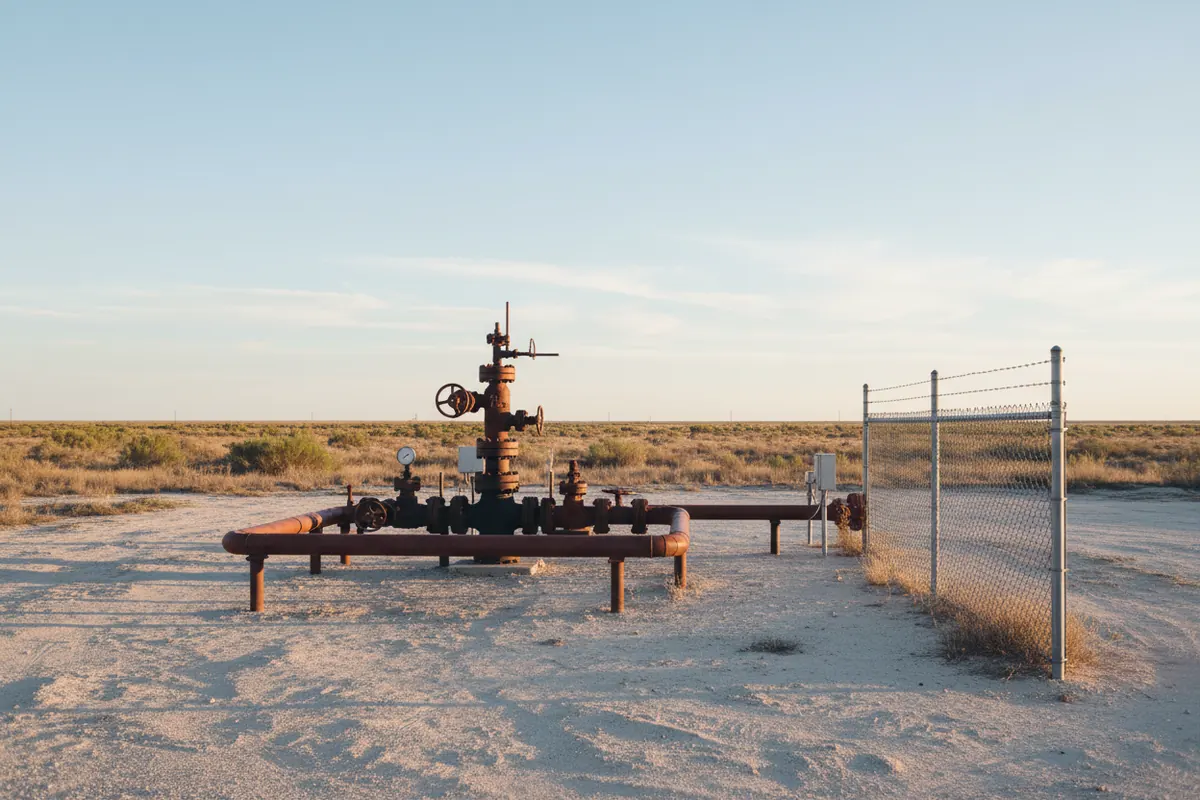
A wellhead and low pipe manifold on a quiet oilfield production pad at dawn.
Immediate answer

After an H2S exposure at work: the federal general duty and protective equipment rules, who may be answerable by type, and the monitor and rescue records that matter.

On this page
  1. Key Takeaways
  2. How a Worker Ends Up Exposed to H2S on the Job
  3. The Federal Rules That Frame Your Employer's Duty
  4. Who May Be Answerable for What Happened at the Site
  5. What a Lawyer Will Want to Know About Monitors, Alarms and Rescue
  6. Records That Usually Matter in an H2S Exposure Case
  7. Injuries and What the Law May Allow in Damages
  8. Why the State Where It Happened Decides Your Deadlines and Rights
  9. Questions Worth Asking Before You Speak With an Attorney
  10. Frequently asked questions
  11. Sources

If a worker was hurt or killed by hydrogen sulfide on an oil and gas job, a civil claim usually turns on a few questions. Was the gas monitored and were alarms working? Was respiratory protection provided and used? Were workers trained, and was rescue planned? Who controlled the location? State law then decides deadlines, fault and damages.

You may be reading this from a hospital waiting room, or at a kitchen table after a call from a supervisor that no family is ready for. Hydrogen sulfide incidents tend to happen fast. A worker goes down near a tank, a cellar or a wellhead. Sometimes a co-worker who went in to help goes down too. What follows is a fog of medical bills, missed paychecks and partial explanations. Most people facing an H2S injury or death are trying to learn three things: what actually went wrong, whether it was preventable, and who, if anyone, is answerable for it. This page walks through how lawyers approach those questions in oilfield hydrogen sulfide cases.

It covers the federal safety rules that frame these cases, the kinds of parties that may be answerable, the records that tend to matter, and why the state where the exposure happened shapes the rest. For the wider picture of onshore well-site injuries, see the overview of the oilfield accident lawyer page.

Key Takeaways

Hydrogen sulfide cases are usually about systems, not a single moment. Here are the main points.

  • Under 29 U.S.C. § 654(a), each employer the Act covers must provide a place of employment free from recognized hazards that are causing or are likely to cause death or serious physical harm. It must also comply with federal occupational safety and health standards.
  • Under 29 C.F.R. § 1910.132(a), protective equipment, including respiratory devices, must be provided, used and maintained in a sanitary and reliable condition wherever hazards make it necessary.
  • The federal safety agency treats hydrogen sulfide as a serious workplace hazard. Its hydrogen sulfide overview says the gas occurs naturally in oil and gas wells and is used or produced in oil and gas refining.
  • A claim typically asks whether protections were actually in place and working. That covers gas monitors, alarms, respiratory protection, training and rescue arrangements.
  • More than one party may share responsibility. The question is less "who employed the worker" and more "who controlled what."
  • Limitation periods, fault rules and damages rules differ by state. No single national rule governs. How these rules apply depends on the state and the facts.
  • This page does not set out any state's workers' compensation rules, which also differ from state to state.

These points change where the inquiry starts. A family may assume the only question is whether the employer was careless. Often the more useful early questions are which company ran the site, who owned and maintained the gas detection equipment, and who wrote the rescue plan. A first conversation with an attorney can help identify which of those facts carry the most weight.

How a Worker Ends Up Exposed to H2S on the Job

Hydrogen sulfide is part of the work in oil and gas, not an outside contaminant. OSHA's hydrogen sulfide overview lists oil and gas wells among the places the gas occurs naturally, and oil and gas refining among the industries that use or produce it, along with mining, tanning, pulp and paper processing, and rayon manufacturing. The gas also occurs naturally in sewers, manure pits, well water and volcanoes.

The same page explains why the gas is so dangerous:

  • It is colorless, highly flammable and toxic, even at low concentrations.
  • It is heavier than air. It may travel along the ground and build up in low-lying areas and confined spaces.
  • After a while at low concentrations, or more quickly at high ones, a person can no longer smell it.
  • It can quickly, almost immediately, overcome unprepared workers, including rescue workers.

That last pair of points explains why these cases focus on equipment and planning. The familiar rotten-egg odor cannot be relied on as a warning. On a location, the warning has to come from a gas monitor or an alarm. Protection has to come from a respirator and from a rescue plan that does not send the next person in unprotected.

When an exposure becomes a legal matter, the questions usually involve gaps in those layers:

  • No gas monitor, or one that was not calibrated
  • An alarm that did not sound, or was silenced
  • Respiratory protection that was missing, the wrong kind, or poorly fitted
  • Workers who were never trained on the hazard
  • No working rescue or emergency response plan

An exposure by itself does not show that any of these failures happened. Whether one did is a question of fact. Chemical exposure more broadly is its own subject on this site, and this page stays with hydrogen sulfide.

The Federal Rules That Frame Your Employer's Duty

Two federal provisions, summarized in the Key Takeaways above, anchor most hydrogen sulfide claims. What matters for a worker or family is how each one shapes the questions in a claim.

The general duty rule. Section 654(a) sets two separate duties for a covered employer: under (a)(1), keeping the workplace free from recognized hazards that are causing or are likely to cause death or serious physical harm; and under (a)(2), complying with the standards issued under the Act. For a family, this means the baseline question is whether the hazard was recognized and whether the workplace was kept free of it, not whether a specific rule was posted on a wall. What the employer knew, or should have known, about gas at that location can become central.

The duty binds covered employers, not every business. The Act's own definition of "employer" leaves some out. Also under 29 U.S.C. § 653(b)(1), the Act does not apply to working conditions where other federal agencies, or certain state agencies, exercise statutory authority over safety standards.

The protective equipment rule. Section 1910.132(a) reaches eye, face, head and extremity protection, protective clothing, respiratory devices, and protective shields and barriers. It applies where hazards of processes or environment, chemical hazards, radiological hazards or mechanical irritants are capable of causing injury or impairment through absorption, inhalation or physical contact. In an H2S case, the practical question is whether a respirator was actually on hand, in use and in reliable condition. Having equipment somewhere on the location is not enough. OSHA's personal protective equipment page adds that employers must train each worker who has to use such equipment: when it is necessary, what kind is necessary, how to put it on and take it off, its limitations, and its care and useful life. What training a worker received, and when, can become part of the record.

What is at stake: if a covered employer's duty is not shown, or the facts do not support a breach, a claim built on these rules may not hold. Whether a particular employer was covered, and whether either rule was broken, depends on the facts.

Who May Be Answerable for What Happened at the Site

Oilfield locations rarely involve just one company. The parties a hydrogen sulfide claim may look at usually fall into these types.

Site operator or owner. The company that runs or owns the location may face a premises liability claim. Premises liability is the legal duty of a party that controls property to keep it reasonably safe for people lawfully working there. The key question is who controlled the area where the gas collected.

Drilling or service contractor. A contractor may face an ordinary negligence claim. Negligence means failing to use reasonable care, where that failure causes harm. To prove it, a claim generally shows a duty, a breach of that duty, causation and damages. A contractor may have run the job, supervised the crew, or been responsible for monitoring on that shift.

Equipment manufacturer. A company that made a gas monitor, alarm or respirator may face a product liability claim. Product liability is the legal responsibility of those who make or sell a product for injuries caused by a defect in it. A claim of this kind asks whether there was a defect and whether it caused the harm. A device's failure during an incident does not by itself prove a defect.

Seller or distributor. A business that sold or supplied safety equipment may also be reached under product liability rules, depending on the state.

Maintenance company. A company hired to service or calibrate detection or breathing equipment may face a negligent maintenance claim, a form of negligence focused on how the equipment was kept up.

More than one of these parties may be answerable for the same exposure. The stakes for a family are concrete: where workers' compensation limits claims against the direct employer, a party that is never identified may mean a claim that is never pursued. Whether any party is answerable depends on who controlled the location, who supplied the equipment, and who was responsible for training and rescue. Similar questions come up in refinery accident claims and pipeline site injuries.

What a Lawyer Will Want to Know About Monitors, Alarms and Rescue

Each part of the job's safety system raises its own questions.

Gas monitoring. Were monitors present where gas could collect, and were they working? Were they calibrated, what do the calibration records and service logs show, and were personal monitors issued to the crew?

Alarms. Did audible and visual alarms work, where were their trigger points set, and had anyone silenced or bypassed them?

Respiratory protection. Were respirators or self-contained breathing apparatus provided, fitted and maintained? This ties to the protective equipment rule and to OSHA's point that equipment that does not fit properly "can make the difference between being safely covered or dangerously exposed."

Training and hazard communication. Records of hydrogen sulfide training, safety meetings and drills matter here. Under 29 C.F.R. § 1910.1200, the hazard communication standard aims to make sure information about chemical hazards reaches employees, through programs that include labeling and other warnings, safety data sheets and employee training.

Rescue and emergency response. Did a written rescue plan exist, was rescue equipment on site, and were workers trained to use it? OSHA's warning that the gas can overcome rescue workers is why this question matters.

Incident records. What was written down at the time: logs, reports and the response timeline.

Each of these maps to a duty, whether under a federal rule or the ordinary duty of care. A missing record can be as telling as a complete one. Many families already know something about a few of these areas and nothing about the rest, and both are worth noting.

Records That Usually Matter in an H2S Exposure Case

The documentation a legal review typically examines falls into a few groups.

Medical records. These cover the exposure, symptoms, treatment and diagnosis. OSHA's worker rights page says workers have the right to report an injury or illness and get copies of their medical records.

Worksite monitoring data. Monitor readings, bump-test and calibration records, and alarm logs. OSHA's worker rights page also lists the right to see results of tests taken to find workplace hazards.

Incident and response records. Incident reports, emergency response records, and any OSHA inspection or citation records. An inspection record is not a finding about what caused a particular injury, and an allegation in a citation is not a court's finding.

Safety and maintenance records. Safety meeting sign-in sheets, training logs and equipment maintenance logs. The worker rights page lists the right to review records of work-related injuries and illnesses.

Photos and video. Scene images may show where the work was happening, what equipment was present and how the area was laid out.

Witnesses. The names and contact details of co-workers, supervisors and responders who were there.

The equipment. The respirator, monitor or alarm involved, with any model and serial number information.

Families often have only some of this, and much of it sits with companies. How much any single record matters depends on the facts and the parties involved.

Injuries and What the Law May Allow in Damages

OSHA's hydrogen sulfide overview says the health effects depend on how much gas a worker breathes and for how long, and that many effects appear even at low concentrations. It describes a range from mild effects, such as headaches or eye irritation, to very serious ones, such as unconsciousness and death. This page gives no medical advice. Medical questions belong with the treating doctors.

In a civil personal-injury claim, the categories of damages the law may allow generally include:

  • Medical expenses, past and future
  • Lost wages and lost earning capacity
  • Pain and suffering

Whether any of these apply, and in what form, depends on the facts and on the applicable state's law.

When a worker dies, the claim is usually one for wrongful death. A wrongful death claim is a civil action brought by certain survivors or by the estate when a person dies because of another party's wrongful conduct. Each state's wrongful-death statute decides who may bring the claim, which losses it recognizes, and how any recovery is divided.

Damages rules differ by state, including whether there are caps and which categories exist. Nothing on this page suggests that any reader has a claim or what one might be worth. Records of medical costs, lost income, and the ways daily life has changed feed into every category a state may recognize.

Why the State Where It Happened Decides Your Deadlines and Rights

Federal safety rules describe duties. In most hydrogen sulfide civil claims, though, state law decides the rest, and the state where the exposure happened typically determines which rules apply.

Deadlines. A statute of limitations is a law that sets the period within which a claim must be filed. These periods differ by state, as do the rules on when the period begins. As a general legal principle, missing a filing deadline can bar a claim entirely. This page does not state any state's period.

Fault. Comparative fault is a rule that divides responsibility among the parties according to each one's share of fault. Some states use a contributory fault rule instead. How a state handles a worker's own share of fault can shape the whole claim.

Workers' compensation. These rules differ by state and may affect which civil claims are available against an employer. Under 29 U.S.C. § 653(b)(4), the federal Act does not supersede or affect any workers' compensation law. It also does not enlarge or diminish the common law or statutory rights, duties or liabilities of employers and employees for workplace injuries, diseases or death.

Retaliation. A separate federal provision deals with workers who are punished for raising safety concerns. Under 29 U.S.C. § 660(c), no person may discharge or discriminate against an employee for exercising rights under the Act. An employee who believes this happened may file a complaint with the Secretary of Labor within thirty days after the violation occurs.

Two similar exposures in two states can lead to very different claims. If you want to talk through which state's rules may govern and which deadlines may be relevant, you can request a case evaluation.

Questions Worth Asking Before You Speak With an Attorney

Many families reasonably wonder what they could possibly bring to a first conversation when the company holds most of the records. Usually it is more than they think. A worker or family may find it useful to think through these questions:

  • What was the job that day, and at what kind of location?
  • Which company ran the site, and which company employed the worker?
  • Were monitors worn or posted? Did an alarm sound?
  • What respiratory protection was available, and was it being worn?
  • Who responded, and how?
  • What medical care followed?
  • Which records, photos or names are already in hand?

A case evaluation with our attorney typically covers four areas: the facts of the incident, the parties who may be involved, the federal rules that frame the work, and which state's law applies. Not every answer will be known, and partial answers are still useful.

This page is about hydrogen sulfide exposure at oilfield and industrial worksites. It does not set out any state's deadlines or workers' compensation rules, and it gives no medical advice. Related hazards on this site include rig and well-site explosions.

Free case evaluation

No Fee Unless We Win Your Case

A free case evaluation is how it starts. Tell us what happened, and we’ll help you understand your options. You pay no fee unless we win your case.

Oilfield Injury Claims Authority

How it works

  1. Call us or request a free case evaluationTell us what happened, in your own words.
  2. Talk through your caseYour options, and what your case may be worth.
  3. No fee unless we winYou pay no attorney fee unless we win your case.
Free case evaluation

Tell Us What Happened

Frequently asked questions

What does a hydrogen sulfide exposure lawyer look at in a case?

The review focuses on the safety system rather than only the moment of exposure. It asks whether monitors were calibrated, whether alarms worked, whether respiratory protection fit and was used, what training and rescue planning existed, and who controlled the location. Those facts point toward which operator, contractor or equipment maker, if any, may be answerable.

Who can be held responsible for an H2S exposure injury?

Possible parties include a site operator or owner, a drilling or service contractor, the maker of a monitor or respirator, a seller of safety equipment, or a maintenance company. Responsibility follows control: who ran the location, who supplied and serviced the equipment, and who handled training and rescue. More than one party may be involved.

What federal rules apply to hydrogen sulfide hazards in the workplace?

Two rules anchor most cases: the general duty rule in 29 U.S.C. § 654(a), which covers recognized hazards and compliance with federal standards, and the protective equipment rule in 29 C.F.R. § 1910.132(a), which covers respiratory devices and other equipment. The Key Takeaways above summarize both.

What records matter most in an H2S exposure claim?

The most useful records are often the ones made before the incident. These include calibration logs, alarm maintenance records, training sign-in sheets and rescue plans. Incident reports, emergency response records and medical records then show what happened and what followed. How much any one record matters depends on the facts.

Does workers' compensation affect a hydrogen sulfide exposure lawsuit?

It can. Workers' compensation rules differ by state and may affect which civil claims are available against an employer. Federal law, in 29 U.S.C. § 653(b)(4), leaves those state laws untouched. The state where the exposure happened usually decides how compensation and civil claims fit together.

How long do I have to file a hydrogen sulfide exposure claim?

Filing deadlines, called statutes of limitations, differ by state, as do the rules on when they start. Missing one can bar a claim entirely. This page cannot say how much time applies to any situation. That depends on the state and the facts.

What injuries are associated with hydrogen sulfide exposure?

OSHA's hydrogen sulfide overview describes effects ranging from headaches and eye irritation to unconsciousness and death. It notes that the severity depends on how much gas a worker breathes and for how long. Medical questions belong with treating doctors.

What damages can a hydrogen sulfide exposure claim pursue?

The categories the law may allow generally include medical expenses, lost wages and earning capacity, and pain and suffering. In a death case, the state's wrongful-death statute sets the categories. Caps and available categories differ by state, and nothing here predicts any outcome.

Can a family member bring a claim if a worker died from H2S exposure?

A wrongful death claim may be available. This is a civil action brought by certain survivors or by the estate when a death results from another party's wrongful conduct. Each state's statute decides who may bring it and what losses it recognizes.

Sources

Statutes, regulations and court sources

  1. 0129 U.S.C. § 654, Duties of employers and employees (govinfo.gov) · GovInfo (U.S. Government Publishing Office)
  2. 0229 U.S.C. § 653, Geographic applicability; workmen's compensation law unaffected (govinfo.gov) · GovInfo (U.S. Government Publishing Office)
  3. 0329 U.S.C. § 660, Judicial review; discharge or discrimination against employee (govinfo.gov) · GovInfo (U.S. Government Publishing Office)
  4. 0429 C.F.R. § 1910.132, General requirements (eCFR) · Electronic Code of Federal Regulations
  5. 0529 C.F.R. § 1910.1200, Hazard communication (eCFR) · Electronic Code of Federal Regulations

Other sources

  1. 06Hydrogen Sulfide - Overview, Occupational Safety and Health Administration · Occupational Safety and Health Administration
  2. 07Personal Protective Equipment - Overview, Occupational Safety and Health Administration · Occupational Safety and Health Administration
  3. 08Worker Rights and Protections, Occupational Safety and Health Administration · Occupational Safety and Health Administration