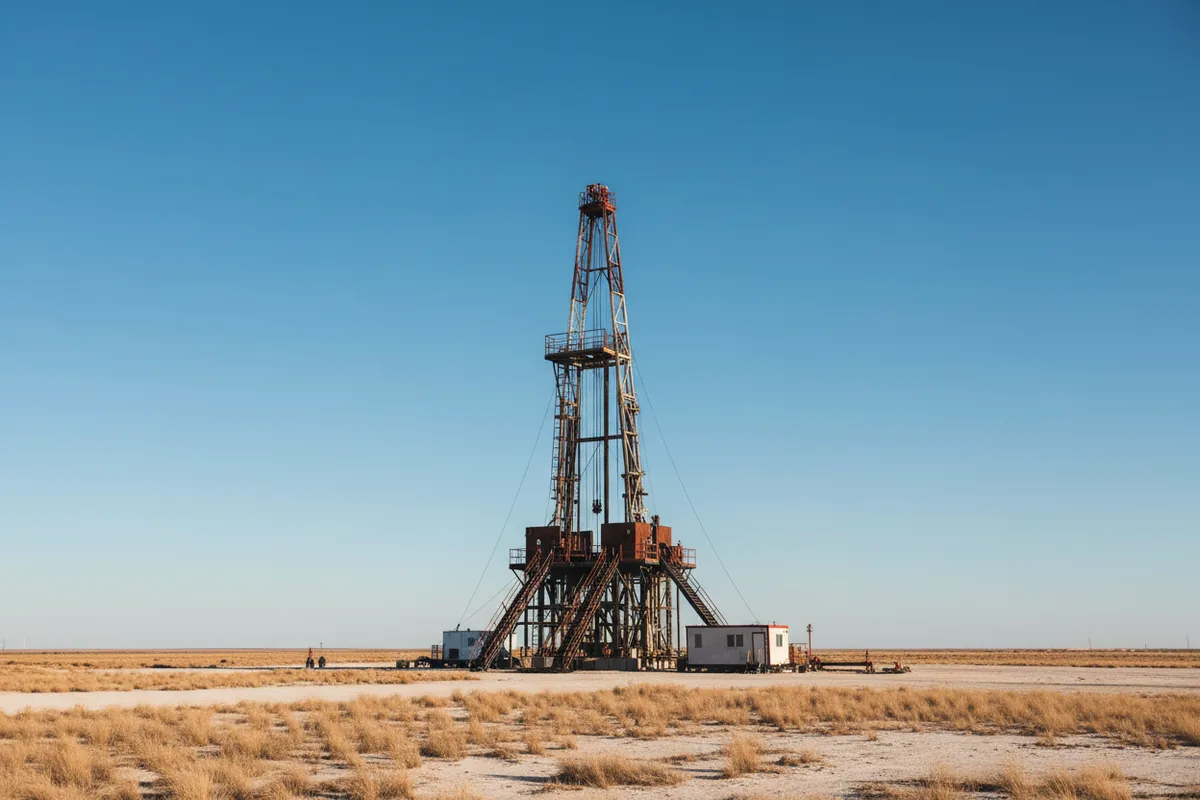
Whether Your Case Qualifies: What an Attorney Looks At First
Qualification in a rig case is not a test you pass or fail. It is a map of who did what on the location, and the facts that usually fill in that map are fairly concrete.
The first is the employment relationship. A worker may be a direct hire of the drilling contractor, an employee of a service company brought in for one job, or someone placed through a subcontractor or staffing arrangement. That relationship shapes which legal theories may apply, because the employer's role is often governed by the state's workers' compensation system while other companies on the location are not the worker's employer at all.
The second is control of the rig and the work. Who owned or leased the rig, who directed the crew that day, who wrote or approved the job plan, and who had authority to stop the work are the questions that tend to separate one party's responsibility from another's.
The third is the equipment. What failed or moved, who made it, who owned or rented it, and who last serviced it can bring a manufacturer, a seller, a renter or a maintenance company into view.
Federal coverage is its own threshold question. The duty in 29 U.S.C. § 654(a) runs from covered employers to their employees, so whether a particular company is covered by the Act is part of the analysis rather than an assumption. And 29 U.S.C. § 653(b)(4) states that nothing in the Act supersedes or affects any workmen's compensation law, or enlarges, diminishes or affects the common law or statutory rights, duties or liabilities of employers and employees with respect to injuries, diseases or death arising out of or in the course of employment. In plain terms, the federal safety law leaves the injury-claim rules where it found them, which is mostly in state law.
Workers' compensation rules differ by state, and this page states none of them. For a worker or family, the practical point is that the shape of a case depends on the state and the facts. Many families find it useful to write down the names of every company they remember being on the location before any conversation about the case.