
Skip to content

Claim issues

Defective Oilfield Equipment Lawyer: When a Product Defect Causes an Injury

National · laws differ by state · Updated November 10, 2026

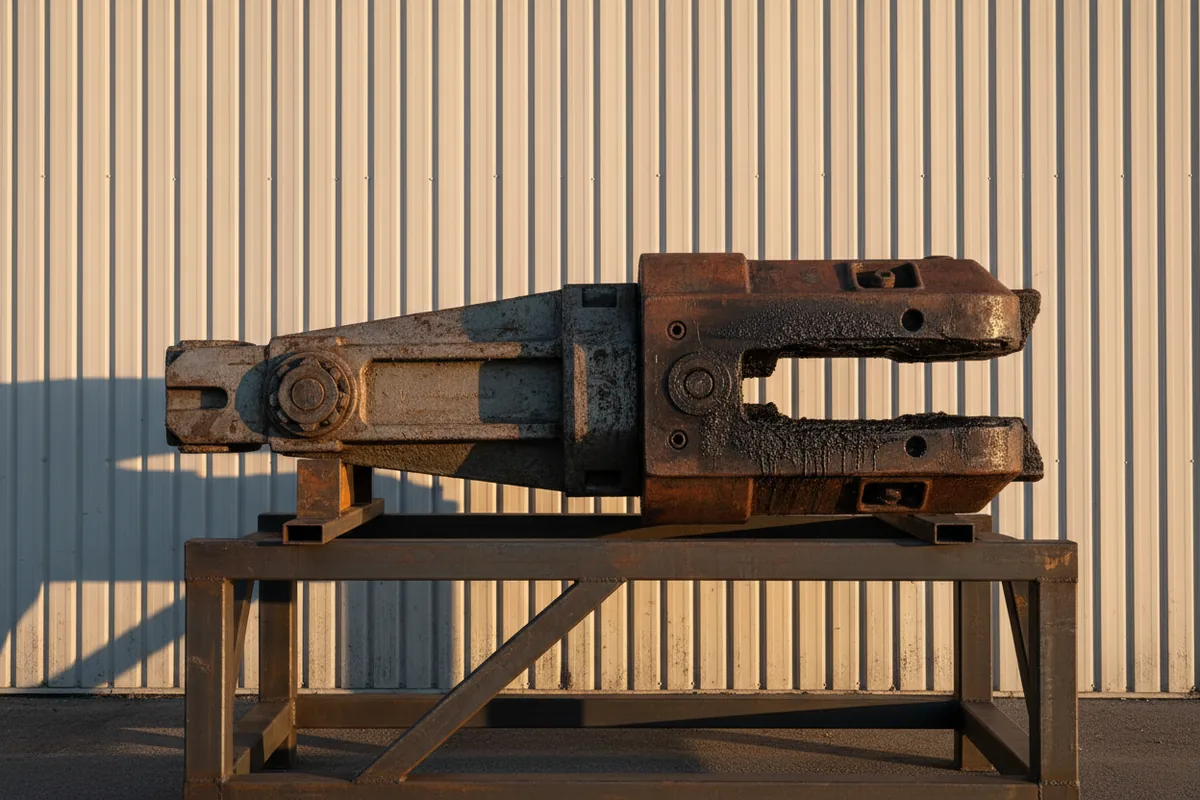
A grease-streaked hydraulic tong rests idle on a rack at an oilfield yard.
Immediate answer

When oilfield equipment injures a worker: the three kinds of product defect, who in the supply chain may answer, why equipment is kept unaltered, and state rules.

On this page
  1. Key Takeaways
  2. Was It the Equipment? What Product Liability Law Covers When Oilfield Equipment Fails
  3. When a Failure Raises a Product Defect Question
  4. Who May Be Responsible for Your Injury: Potential Defendants by Type
  5. Does Your Situation Fit? The Facts That Usually Shape a Claim
  6. Evidence Worth Preserving After an Equipment Injury
  7. What an Equipment Injury May Mean for Recovery: Injuries and Damages
  8. How the State Where You Were Hurt Changes the Rules: Texas and Washington
  9. Filing Deadlines and Why the State Where the Incident Occurred Matters
  10. Frequently asked questions
  11. Sources

If a piece of oilfield equipment hurt you or killed someone in your family, product liability law may reach the companies that designed, made, sold or rented it. That law applies when a defect in design, manufacture or warnings caused the injury. Whether it applies to you depends on the facts, the equipment and the law of the state where it happened.

You may be reading this from a hospital bed or a kitchen table. A wellhead component let go, a sling parted, a safety device never tripped, or a truck's brakes failed, and now there are medical bills, missed paychecks and a lot of people offering opinions about whose fault it was. Most people facing this kind of injury on an oil or gas site want to know one thing first: was this just an accident at work, or did the equipment itself have a problem that someone outside the crew may answer for. This page walks through how the law approaches that question for oilfield equipment, who may be responsible by type, what evidence usually matters, and how state law shapes the rest.

Key Takeaways

  • A product defect question is separate from the question of who ran the site. Product liability can look past the crew and the operator to the companies that put the equipment into the oilfield in the first place.
  • The law recognizes three kinds of product problem: a design defect, a manufacturing defect, and inadequate warnings or instructions. Each one points to different evidence.
  • Responsibility may be shared. Depending on the facts, an operator, a site owner, a manufacturer, a component maker, a seller or rental company, and a maintenance company may each have a part in what happened.
  • The equipment itself is often the most important evidence in the case, and its condition right after the accident matters. Once it is repaired, scrapped or returned to service, what it can show may change.
  • State law governs most of these cases. Limitation periods, fault rules and damages rules differ from state to state, and some states also cut off product claims after a fixed number of years measured from the sale or delivery of the product.
  • Whether a claim exists depends on the specific facts and on that state's law. An injury, however serious, does not by itself show that a product was defective.

Was It the Equipment? What Product Liability Law Covers When Oilfield Equipment Fails

Product liability is the body of law that makes the companies in a product's chain of distribution answerable for injuries caused by a defective product. In oilfield work, the products are the tools of the job: pressure equipment such as valves, lines and fittings; rigging such as slings, shackles and wire rope; hand and power tools; safety devices such as shutoffs, relief valves and gas monitors; and the trucks and crew vehicles that move people and equipment between sites.

If the equipment that hurt you failed, the law asks which of three kinds of problem it had. It may have been built exactly as intended from a design that was itself unreasonably dangerous (a design defect). The particular unit may have come off the line different from its intended design, with a bad weld, wrong material or missing part (a manufacturing defect). Or it may have lacked adequate warnings or instructions about risks the maker knew of, leaving the crew without fair notice of the danger (a warnings defect).

Whichever kind is alleged, a claim generally has to show three things: that the product had a defect, that the defect caused the injury, and that the injury produced damages. Whether those elements are met depends on the facts and on the applicable state's law. Some states put specific burdens on particular theories. Texas's products liability chapter, discussed below, is one example.

For an injured worker, the category matters because it shapes what has to be proven. A design claim turns on engineering and alternatives. A manufacturing claim turns on the specific unit. A warnings claim turns on labels, manuals and training materials. What you remember about how the equipment looked, was labeled and was explained to the crew may point toward one category or another, and a conversation with an attorney can help match what happened to the right one. Why a component failed mechanically is covered on the site's equipment failures page and is not repeated here.

When a Failure Raises a Product Defect Question

These cases usually begin with equipment that did something it was not supposed to do while the crew was using it the ordinary way. The patterns that most often raise a product defect question include:

  • equipment that malfunctions under normal operating conditions;
  • a safety device that fails to activate when the condition it exists for arrives;
  • rigging that parts while handling a load within its rating;
  • pressure equipment that releases unexpectedly;
  • a truck or crew vehicle with a steering or brake failure (the site's page on oilfield truck and vehicle crashes covers those crashes on their own terms).

A product question and an operator-negligence question often sit side by side in the same incident. Equipment can carry a defect and also be run past its limits, inspected poorly or assigned to an undertrained hand. The law does not make anyone choose one explanation at the start. The evidence decides how much each one contributed. The broader picture of how oilfield and energy accident cases work, including site conditions and the operator's role, sits alongside the product question.

The records that typically become relevant are the equipment itself, the maintenance logs, the inspection records, the manufacturer's specifications and ratings, and the incident reports. The equipment's condition carries special weight. If it is repaired, cleaned, reassembled or put back into service, the physical evidence may be changed or lost, and experts may no longer be able to tell a defect from post-accident damage.

If you are trying to work out whether your situation fits this framework, the practical question is simple: was the equipment being used for its ordinary job when it failed? You may want to consider where the equipment is now and who has custody of it.

Who May Be Responsible for Your Injury: Potential Defendants by Type

Product liability can reach several parties, and the theory differs for each. Two terms come up repeatedly. Strict liability means a party can be answerable for a defective product without proof that it was careless; the focus is on the product's condition, not the company's conduct. Negligence, by contrast, asks whether a party failed to use reasonable care.

  • The manufacturer of the finished product may face strict liability or negligence claims for a design or manufacturing defect, and for inadequate warnings.
  • A component-part maker may be separately answerable if its part, such as a valve seat, a fitting or a sensor, was the defective piece that caused the injury.
  • A seller, distributor or rental company may be reached because many states extend product liability to commercial sellers in the distribution chain. States differ on when a seller that did not make the product is answerable. Texas, for example, limits that liability by statute, discussed below.
  • The operator or site owner may face negligence or premises liability claims alongside the product claims. Premises liability is the law holding those who control a property responsible for unreasonably dangerous conditions on it. On an oilfield site, that can include how equipment was selected, assigned and supervised. Contractor relationships add their own layer, covered on the site's page on oilfield contractor injuries.
  • A maintenance or inspection company may face negligence claims if improper service, a missed inspection or a faulty repair contributed to the failure.

This matters because the company that employs an injured worker is often not the only one, or even the main one, whose conduct is in question. Which parties are proper defendants depends on the state's law and on the facts, including who owned the equipment, who leased it and who last worked on it. A family may want to weigh what they know about the equipment's paper trail: purchase, rental and service history.

Does Your Situation Fit? The Facts That Usually Shape a Claim

There is no checklist a person passes or fails here. Attorneys and courts look at a cluster of facts, and how those facts fit together under a particular state's law is what shapes a product claim.

  • The injured person's role. A direct employee, an independent contractor and a bystander from another crew can stand in different legal positions, even when the same piece of equipment hurt them.
  • The equipment's condition and history, including whether it was altered or modified before the accident and, if so, by whom.
  • How it was being used. Whether the equipment was used as the manufacturer intended, or in a way the maker could reasonably foresee, often becomes a central question.
  • The nature and severity of the injury, and what treatment it has required.
  • The state where the incident occurred, because that state's law usually governs.

Equipment that was altered after leaving the manufacturer's control can raise causation questions: did the original defect cause the injury, or did the change. That does not automatically end a claim, but it gets close attention. If you know or suspect the equipment was modified, that fact may shape how a claim is viewed from the start.

Workers' compensation rules differ by state, and they can affect which claims are available against an employer and how a product claim against outside companies fits alongside them. This page does not state any state's workers' compensation rule.

For someone in your position, the stake is that these facts, not the injury alone, decide whether a product claim is worth pursuing. What you may want to gather first is what you already know: your role on the site, which company owned the equipment, and what happened in the moments before it failed. Those details are what a conversation with an attorney is built around. Nothing on this page means that a claim exists or that one would succeed.

Evidence Worth Preserving After an Equipment Injury

In an equipment case, the physical item is usually the center of the evidence. If you were hurt, the material that usually matters includes:

  • the equipment itself, in its post-accident condition and unaltered, along with any broken pieces;
  • photographs and video of the scene, the equipment and any visible injuries;
  • maintenance logs, inspection records and service history;
  • the manufacturer's specifications, manuals, labels and warnings;
  • purchase, lease or rental records and order history;
  • incident reports, safety reports and any OSHA records related to the incident (the site's guide to OSHA and other agency records explains what those records can and cannot do);
  • medical records documenting the injury and treatment;
  • names and contact information of witnesses, including crew members and anyone from another company on site.

A product claim asks what condition the equipment was in when it injured someone. Fracture surfaces, wear patterns, settings and missing parts can answer that question. Repairs, cleaning, undocumented disassembly or a return to service can erase those answers, or blur the line between a defect and damage done afterward.

Injured workers often do not control the equipment; the operator, the owner or a rental company may have it. Families in that position often keep a record of who has the equipment, where it is and what has been done to it since the accident. What gets preserved in the early weeks can affect what a claim is able to show later.

What an Equipment Injury May Mean for Recovery: Injuries and Damages

Equipment failures on oil and gas sites can cause burns, crush injuries, fractures, traumatic brain injury, spinal injury, amputation or loss of a limb, and death. Many of these injuries change what a person can do for work for the rest of their life, and that reality runs through the damages question.

The categories of damages the law may allow generally include:

  • medical expenses, past and future;
  • lost wages and lost earning capacity;
  • physical pain and suffering;
  • emotional distress.

When a worker dies, a wrongful death claim may be available. That is a claim brought by or for certain family members, or the estate, for the losses caused by a death that resulted from another's wrongful conduct or a defective product. Who may bring it, and what it may recover, are set by each state's wrongful-death law, and those rules differ by state.

Fault can reduce or bar recovery. Comparative fault is a rule that assigns a percentage of responsibility to each party, sometimes including the injured person, and adjusts damages accordingly. Some states bar recovery above a certain percentage. Texas's version appears in the next section. For an injured worker, this means that how the crew, the operator and the injured person acted that day can affect the size of any recovery, not only whether a defect existed.

What damages are available, and how they are measured, depends on the state's law and the facts. This page gives no amounts and no predictions. For a family, the useful step is often to keep running track of bills, missed work and the ways daily life has changed. Those records describe the losses the law may consider, and they give an attorney a concrete picture to work from.

How the State Where You Were Hurt Changes the Rules: Texas and Washington

Product liability law is mostly state law, and two states show how much the details can differ. Each rule below is that state's own law, not the rule elsewhere. If you were hurt in one of these states, these rules may decide who can be reached and how fault is counted.

If your injury happened in Texas, the starting point is what counts as a product case. Under section 82.001 of the Texas Civil Practice and Remedies Code, a "products liability action" is any action against a manufacturer or seller for damages from personal injury, death or property damage allegedly caused by a defective product, whether based in strict liability, negligence, misrepresentation, warranty or any other theory. A "seller" is one engaged in the business of placing a product or component part in the stream of commerce for any commercial purpose. Under section 82.003, a seller that did not manufacture the product is not liable for harm it caused unless the claimant proves one of the circumstances that section lists, which matters when the company within reach is a distributor or rental company rather than the maker. Under section 82.005, a claimant alleging a design defect carries the burden of proof by a preponderance of the evidence on the elements that section sets out. Section 82.008 creates a rebuttable presumption that a manufacturer or seller is not liable for an aspect of a product's formulation, labeling or design that complied with applicable mandatory federal safety standards governing the risk at issue, and the claimant may rebut it as that section provides. Texas fault rules appear in section 33.001 of the Texas Civil Practice and Remedies Code: a claimant may not recover damages if his percentage of responsibility is greater than 50 percent. Under section 33.012, if a claimant is not barred, damages are reduced by the claimant's percentage of responsibility. Texas also has a fifteen-year rule, covered in the deadlines section below.

If your injury happened in Washington, the age of the equipment can matter. Under section 7.72.060 of the Revised Code of Washington, a product seller is not liable under that chapter if it proves by a preponderance of the evidence that the harm was caused after the product's "useful safe life" expired. Useful safe life runs from delivery to the first purchaser or lessee who was not in the business of selling such products or using them as components. A seller may still be liable beyond the useful safe life in three situations: if it warranted that the product could be used safely longer; if it intentionally misrepresented or concealed facts that proximately caused the harm; or if the harm came from exposure that first occurred within the useful safe life. If harm occurred more than twelve years after delivery, the statute presumes the useful safe life had expired, and that presumption may be rebutted only by a preponderance of the evidence.

Limitation periods, fault rules and damages rules differ by state. Which state's law applies depends largely on where the incident occurred, and an attorney can help sort out which rules reach a given injury. The site's page on Texas oilfield accident claims covers that state in more depth.

Filing Deadlines and Why the State Where the Incident Occurred Matters

A statute of limitations is the law setting how long a person has to file a lawsuit, usually measured from the injury or its discovery. A statute of repose is a different kind of outer limit, measured from an event such as a product's sale. It can bar a claim even when the injury happened, or was discovered, recently. Missing either kind of deadline can bar a claim entirely.

Texas's limitations chapter contains one example of a statute of repose. Under chapter 16 of the Texas Civil Practice and Remedies Code, except as provided by its subsections (c), (d) and (d-1), a claimant must commence a products liability action against a manufacturer or seller before the end of 15 years after the date the defendant sold the product. The clock runs from that defendant's sale, not from the accident, and the exceptions in those subsections are part of the rule. Oilfield equipment can stay in service for many years, so the sale date of a particular piece can become a real question.

Washington's product liability statute, section 7.72.060, sets its own limitation period. Subject to the tolling and extension provisions of Washington's chapter 4.16, no claim under that chapter may be brought more than three years from the time the claimant discovered, or in the exercise of due diligence should have discovered, the harm and its cause.

When the clock starts, what pauses it and what exceptions apply all differ by state. This page does not compute any deadline or say whether one has passed. For someone weighing what comes next, the dates that usually matter are the date of the injury, the date the cause became known, and the date the equipment was sold or delivered. If you would like to talk through which state's deadline may govern an injury like yours, you can request a case evaluation.

Free case evaluation

No Fee Unless We Win Your Case

A free case evaluation is how it starts. Tell us what happened, and we’ll help you understand your options. You pay no fee unless we win your case.

Oilfield Injury Claims Authority

How it works

  1. Call us or request a free case evaluationTell us what happened, in your own words.
  2. Talk through your caseYour options, and what your case may be worth.
  3. No fee unless we winYou pay no attorney fee unless we win your case.
Free case evaluation

Tell Us What Happened

Frequently asked questions

What is a defective oilfield equipment claim?

It is a product liability claim brought when a defect in oilfield equipment, whether in its design, its manufacture or its warnings, caused an injury. The claim generally has to show a defect, causation and damages. It is aimed at the companies that put the equipment into use, not only the crew that used it.

Who can be held responsible when oilfield equipment causes an injury?

Depending on the facts and the state's law, responsibility may reach the manufacturer, a component-part maker, a seller or distributor, a rental company or owner, the site operator, or a maintenance company. More than one party may share it, and the equipment's ownership and service history often shows who is involved.

Does product liability law apply to oilfield workers?

Yes. It can apply when a defective product injures an employee, an independent contractor or a bystander on a site. Workers' compensation rules differ by state and may affect which claims are available alongside a product claim, so the answer turns on the state and the facts.

What are the three types of product defect in a product liability case?

The three types are a design defect, a manufacturing defect and inadequate warnings or instructions. A design defect means the design itself was unreasonably dangerous. A manufacturing defect means one unit departed from its design. A warnings defect means the product lacked adequate warnings or instructions about known risks. The evidence shows which type, if any, fits.

How long does someone have to file a defective equipment claim?

It depends on the state. Each state sets its own limitation period, and some add a statute of repose. Texas's runs 15 years from the defendant's sale of the product, subject to its listed exceptions. Washington's product statute allows three years from discovery of the harm and its cause, subject to its tolling provisions.

Why does the equipment need to be preserved after an oilfield accident?

The equipment's condition at the time of injury is often the central evidence. Repairs, cleaning or a return to service can erase signs of a defect, or make a defect hard to tell apart from damage done afterward. Maintenance records and manufacturer specifications help show what the equipment's condition should have been.

What damages may be available in a defective oilfield equipment case?

The categories the law may allow include medical expenses, lost wages and earning capacity, pain and suffering, and emotional distress. Where a worker died, the state's wrongful-death law governs. Which damages are available, and how fault reduces them, depends on the state's law and the facts.

Does it matter whether the equipment was modified before the accident?

Often, yes. A modification made after the equipment left the manufacturer's control can raise the question of whether the defect or the change caused the injury. A modification does not automatically end a claim; its effect depends on the state's law and the circumstances, including who made the change.