
Skip to content

Oilfield Injury Claims Authority

Oilfield and Energy Accident Legal Services

National · laws differ by state · Updated November 10, 2026

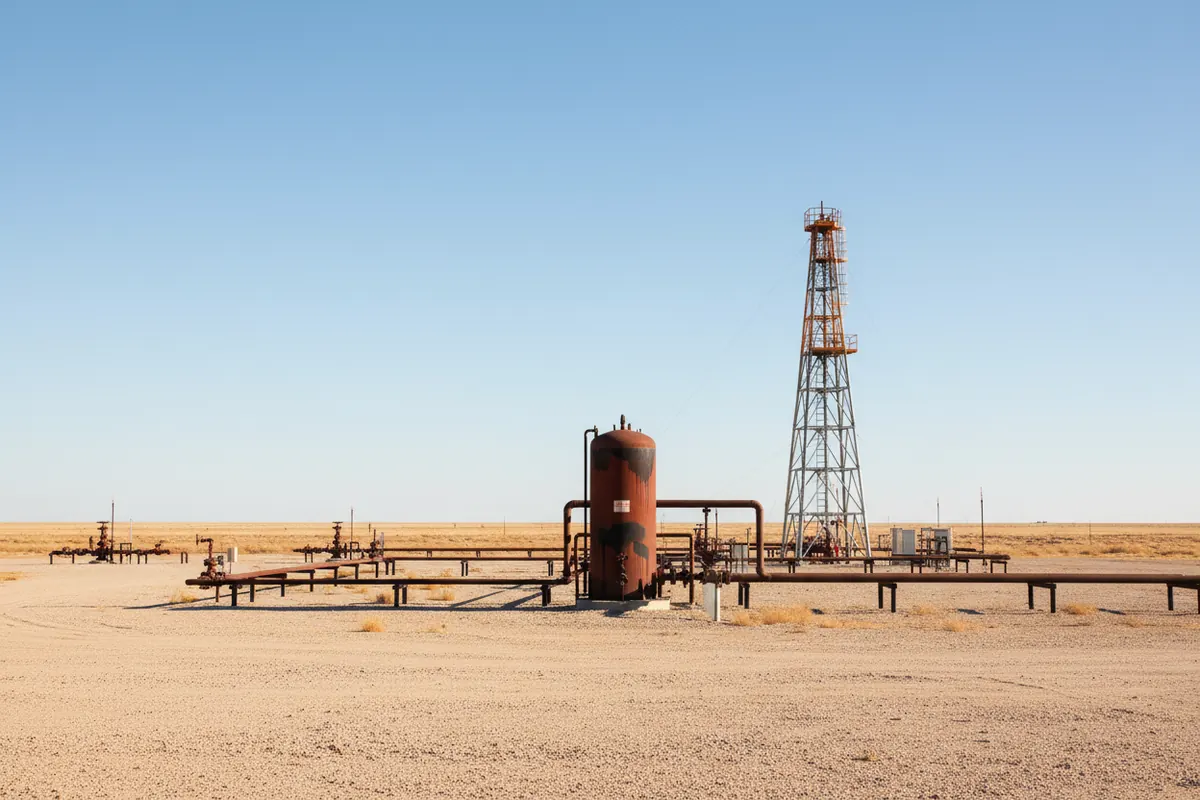
An oilfield production facility with separator vessels and wellheads across open flat terrain.
Immediate answer

How oilfield and energy injury cases work: the sites covered, who may be responsible, the federal safety duty, the evidence that matters, and why state law governs.

On this page
  1. Key Takeaways
  2. Does Your Accident Fall Within This Practice?
  3. Why the Cause of Your Accident Determines Who May Be Responsible
  4. Who May Be Responsible for Your Injury
  5. What an OSHA Violation Does and Does Not Mean for Your Claim
  6. The Records That Shape What Your Claim Can Show
  7. Injuries and What the Law May Allow a Claim to Seek
  8. Why State Law Governs Most of What Happens Next
  9. What a First Conversation With an Attorney Usually Covers
  10. Frequently asked questions
  11. Sources

If you were hurt at an onshore oil or gas site, a refinery, a petrochemical plant or a pipeline, or lost a family member there, this practice handles the injury and wrongful-death claims those accidents raise. That includes claims against parties other than the employer, which usually turn on what happened, who controlled the site and which state's law applies.

A serious accident at a well site or plant leaves people with more than an injury. There is the hospital stay, the paycheck that stopped, the incident report someone else wrote, and the question nobody on site seems ready to answer: whose equipment failed, whose rule was skipped, and whether anyone besides the employer had a hand in it. Most people facing this have heard the words "workers' comp" and little else, and they are trying to figure out whether that is the whole story. This page explains how these cases are put together, from the work settings and hazards involved to the parties who may be responsible, the evidence that tends to matter, and why state law decides so much of what happens next.

Key Takeaways

  • Federal law sets a safety floor. Under 29 U.S.C. § 654(a), each employer the Act covers must provide a workplace free from recognized hazards that are causing or are likely to cause death or serious physical harm. That duty describes what a safe site looks like; it does not by itself decide who pays for an injury.
  • The federal safety law leaves other rights where they were. 29 U.S.C. § 653(b)(4) says the Act does not affect any workers' compensation law or enlarge or diminish the legal rights, duties or liabilities of employers and employees for workplace injuries.
  • A workers' compensation claim and a civil injury claim are two different things. Depending on the facts and the state, a worker may have one, the other, or both.
  • The employer is often not the only party in the picture. Operators, owners, contractors, manufacturers and maintenance companies may each be potential defendants, depending on who controlled what.
  • What gets kept after an accident shapes what a claim can later show: incident reports, the equipment itself, photos, medical records and the names of people who saw it happen.
  • Deadlines, fault rules and damages rules differ by state. No single national rule applies, and limitation periods generally begin from the injury or the death.

Does Your Accident Fall Within This Practice?

This practice covers accidents in four work settings: onshore oil and gas drilling and production sites, refineries, petrochemical plants and pipelines. Within those settings, the incidents tend to fall into a handful of patterns. Equipment fails under load or pressure. Explosions and fires follow a release of gas or vapor. Workers fall from rigs, platforms, tanks and elevated walkways. People are struck by swinging or falling objects, or caught in or between moving machinery. Workers are exposed to chemicals and toxic substances. And vehicles collide or roll on lease roads and inside plant gates.

The people hurt in these accidents hold a wide range of jobs: drillers, roughnecks and roustabouts on the rig floor and around the pad; pipeline workers in trenches and on right-of-way crews; refinery and plant operators running units around the clock; and the contractors and subcontractors who make up much of the workforce on many sites. A contractor's employee hurt on someone else's site is squarely within what this practice handles, and that situation often raises the most questions about who may be responsible. The oilfield accident lawyer page goes deeper into onshore well-site injuries, and the page on pipeline site accidents covers trench and right-of-way work.

Offshore rigs and platforms are outside this practice's scope. Otherwise, whether a matter fits is not a checklist anyone passes or fails. The facts that usually matter are where the accident happened, what the work was, which companies were on site and in control, what equipment or substance was involved, and which state's law applies.

If you are reading this from a hospital room or a kitchen table, the question of whether your situation "counts" may feel like the first hurdle. In practice, it is answered by those details, not by a label on the accident.

Why the Cause of Your Accident Determines Who May Be Responsible

Oilfield and energy work puts people next to forces that leave little room for error. High-pressure systems, from wellheads to process piping, store energy that can release suddenly. Flammable and toxic substances move through lines, tanks and vessels. Heavy rotating equipment, such as draw works, top drives, pumps and compressors, can catch clothing or limbs. Confined spaces like tanks and vessels trap atmospheres. Elevated work surfaces put workers at height. And long shifts, hitch schedules and lean staffing shape how tired people are and how many hands are available when something goes wrong.

How you were hurt is more than a description of the accident. It points to the legal theory that may apply, and the theory points to who may be responsible.

If the hazard was in the site itself, such as an unguarded opening, a known leak or a failed walkway, the theory is usually premises liability: the duty of a site owner or operator to keep a workplace it controls reasonably safe for those working there. If a piece of equipment or a component failed, the theory is usually products liability: a manufacturer's or supplier's responsibility for a defect in design, in manufacture or in warnings. If a contractor, subcontractor or maintenance company that is not your employer was careless, the theory is third-party negligence.

Each theory asks for the same basic elements in different forms: a duty (a legal obligation to act with reasonable care), a breach (a failure to meet it), causation (that the failure actually led to the harm) and damages (the losses that resulted). An accident, however serious, does not prove any of these on its own. That is why the question "what exactly failed?" matters so much to a worker or family.

Who May Be Responsible for Your Injury

Responsibility on an oilfield or energy site is often spread across several companies, because several companies are usually present. The potential defendants, by type, include:

  • the site operator, which runs the well, plant or line day to day;
  • the property or lease owner;
  • a general contractor overseeing the work;
  • a subcontractor performing part of it;
  • an equipment manufacturer;
  • a component supplier whose part went into that equipment;
  • a maintenance or inspection company hired to service or check it.

Following the theories above, owners and operators are usually measured by whether they kept the area they controlled reasonably safe; manufacturers and suppliers by whether the equipment or part was defective and whether the defect caused the injury; and contractors and maintenance companies by whether they used reasonable care in the work they did.

Workers' compensation generally runs against the direct employer, under each state's own rules. A civil claim against a different company is a separate avenue, and, as the next section explains, the federal safety law does not change that line. For a subcontractor's employee, this can mean the operator or the equipment maker is a separate question from the compensation claim against the employer.

Identifying every potential defendant early matters for a practical reason. Limitation periods, which differ by state, generally begin running from the date of the injury or the death, and each party's role takes time to establish.

What an OSHA Violation Does and Does Not Mean for Your Claim

The Occupational Safety and Health Act sets the baseline. Under 29 U.S.C. § 654(a), each employer the Act covers "shall furnish to each of his employees employment and a place of employment which are free from recognized hazards that are causing or are likely to cause death or serious physical harm," and shall comply with the occupational safety and health standards issued under the Act. OSHA calls this the General Duty Clause.

OSHA describes workers' rights in its own words on its worker rights and protections page: "Federal law gives you the right to work in a safe place," and a worker "can speak up or report safety concerns without being punished or treated unfairly." The rights OSHA lists include the right to report an injury or illness and get copies of medical records, to receive required safety equipment, to request an inspection and speak to the inspector, and to review records of work-related injuries and illnesses. OSHA also states that it is illegal for an employer to retaliate against a worker for complaining to OSHA, and that a worker who believes they faced retaliation "can file a whistleblower complaint within 30 days of the retaliation."

These rights sit alongside civil injury rights, not in place of them. 29 U.S.C. § 653(b)(4) says nothing in the Act shall "enlarge or diminish or affect in any other manner the common law or statutory rights, duties, or liabilities of employers and employees" for injuries, diseases or death arising out of employment. That is why a workers' compensation claim and a civil claim remain separate questions.

Two points follow. First, a safety violation does not automatically establish civil liability; it is relevant evidence of what a safe workplace required, while the claim still turns on duty, breach, causation and damages. Second, whether a particular company is bound by the general duty depends on the Act's own definition of an employer, which does not reach every employer. For a family weighing what an OSHA record means, it is one piece of the picture, often an important one, but not the verdict.

The Records That Shape What Your Claim Can Show

A claim is built on records and objects, and each kind speaks to a different part of what happened. The records that usually matter include:

  • The incident or accident report, which sets out the employer's or operator's account, and which other evidence can confirm or contradict.
  • OSHA inspection and citation records, which can show whether a recognized hazard was identified at the site. OSHA's worker page notes that workers can check an employer's inspection history and review records of work-related injuries.
  • The equipment or component involved. Without the part itself, questions about a defect are much harder to answer.
  • Photographs and video from the scene, showing conditions, guarding, signage and the position of equipment as they were.
  • Medical records and treatment history, which connect the injury to the incident and document its extent over time.
  • Employment and contractor records, such as job assignments, crew lists, contracts and site permits, which show who employed whom and who controlled the work.
  • The names and contact information of witnesses, whose accounts can corroborate what happened.

Injured workers and families often keep what they can: copies of reports they were given, photos taken on a phone, discharge papers, pay stubs and a list of who was on shift. On an active site, equipment can be repaired, replaced or returned to service, and crews rotate to other jobs. That is simply how working sites operate, and it is why what exists in the period after an accident often defines what a claim can show.

Gathering paperwork while recovering, or while grieving, is a heavy thing to ask of anyone. Knowing which records carry weight can at least make the pile feel less random.

Injuries and What the Law May Allow a Claim to Seek

The injuries in these accidents are often severe. They include traumatic brain injury, spinal cord injury, crush and amputation injuries, fractures, exposure to toxic substances and the health effects documented in the medical record, and death. The type and severity of an injury shape what a claim may seek, because they shape the losses that follow. This page describes these injuries only in general terms and offers no medical guidance.

The categories of damages the law may allow commonly include medical expenses, past and future; lost wages and lost earning capacity, meaning the ability to earn in the years ahead; and pain and suffering. When a worker dies, wrongful-death damages may be available to surviving family members. A wrongful-death claim is a claim brought by the family under state law for losses caused by the death.

What a specific claim may seek depends on the facts and on the applicable state law. The categories available, whether any cap applies and how damages are divided among parties all differ by state. For wrongful death in particular, who may bring the claim, what damages are available and the limitation period are each set by state law and differ from state to state.

For a family, this means the medical bills, the lost paycheck and the loss itself are each measured under rules that are not the same everywhere. What may be worth weighing is the full picture of losses, now and ahead, so that it is documented and not just remembered.

Why State Law Governs Most of What Happens Next

Federal safety law sets a floor for how a workplace must be kept. The rules that govern a civil injury claim come from state law: the deadline to file, the fault standard, the damages rules and the workers' compensation framework. Those rules differ from state to state, and how they apply depends on the state and the facts.

A statute of limitations is the deadline by which a claim must be filed in court. It is set by state law, it generally begins running from the date of the injury or the death, and the exceptions to it also differ by state. Filing after the period has run generally bars the claim entirely, however strong it might otherwise have been. This page does not state any state's period.

Fault rules also differ. Under comparative fault, used in some states, an injured person's damages may be reduced by their own share of fault. Under contributory fault, a stricter rule in other states, any fault by the injured person may bar recovery. A worker who is told the accident was "partly your fault" may face very different consequences depending on which rule applies.

More than one state's law can be in play, for instance where the worker lives in one state, the employer is based in another and the site is in a third. Which state's law governs is itself a question that turns on the facts. A conversation with an attorney can address which state's law may apply and what deadlines that state sets, without any promise about timing or result. If that question is on your mind, you can request a case evaluation to talk it through.

What a First Conversation With an Attorney Usually Covers

A first conversation about an oilfield or energy accident usually moves through the same ground: the work setting, the incident and how it happened, the employer and any contractors or subcontractors on site, the equipment or substance involved, the injuries and treatment received, and the timeline from the day of the injury to now.

Each topic has a purpose. The setting and the mechanism point to which legal theories may apply. The list of companies on site points to the potential defendants. The location and the timeline point to which state's law governs and how its deadlines are measured.

A worker or family can bring a clear account of what happened, in their own words; the names of anyone who was present; and whatever records they have gathered. Some questions worth having in mind: Who owned and who ran the site? Whose equipment was it, and who last serviced it? Was an OSHA inspection or report made? Where is the equipment now? None of these needs a complete answer to start a conversation.

Free case evaluation

No Fee Unless We Win Your Case

A free case evaluation is how it starts. Tell us what happened, and we’ll help you understand your options. You pay no fee unless we win your case.

Oilfield Injury Claims Authority

How it works

  1. Call us or request a free case evaluationTell us what happened, in your own words.
  2. Talk through your caseYour options, and what your case may be worth.
  3. No fee unless we winYou pay no attorney fee unless we win your case.
Free case evaluation

Tell Us What Happened

Frequently asked questions

What is the difference between a workers' compensation claim and a civil tort claim after an oilfield accident?

Workers' compensation is a state-law benefits system run under each state's own rules. A civil tort claim asks whether another party's negligence or a product defect caused the injury. The two are legally separate, and 29 U.S.C. § 653(b)(4) says the federal safety law does not affect workers' compensation law. A worker may have one, the other or both.

Who can be held responsible for an injury on an oilfield or energy site?

Potential parties include the site operator, the property or lease owner, a general contractor, a subcontractor, an equipment manufacturer, a component supplier and a maintenance or inspection company. The basis differs by type: premises liability, products liability or negligence. Whether any of them is responsible depends on what the facts show about duty, breach, causation and damages.

Does an OSHA violation mean a company is automatically liable for my injury?

No. A violation is relevant evidence of the safety standard a covered employer must meet under 29 U.S.C. § 654(a), but it does not by itself establish civil liability. A civil claim still turns on duty, breach, causation and damages, and on the facts of the specific accident.

How long do I have to file a claim after an oilfield accident?

That deadline, the statute of limitations, is set by state law and differs from state to state. It generally begins running from the date of injury or death, with exceptions that also differ by state. Filing after it runs generally bars the claim. The applicable period is one of the first questions a conversation with an attorney can address.

What types of injuries are common in oilfield and energy accidents?

Common categories include traumatic brain injury, spinal cord injury, crush and amputation injuries, fractures and toxic-substance exposure with its documented health effects. Fatal injuries also occur. The type and severity of an injury affect which damages categories the law may allow a claim to seek, and those rules differ by state.

What damages can a family seek after a worker's death on an oilfield site?

A wrongful-death claim is brought by the surviving family under state law. Who may bring it and which damages are available differ by state. The categories are defined by each state's law and can include losses such as medical expenses before death and the family's loss of support. No outcome or amount can be predicted.

What records and evidence matter most after an oilfield accident?

The records that usually matter include the incident report, OSHA inspection and citation records, the equipment or component involved, scene photos and video, medical records, employment and contractor records, and witness names. Each speaks to a different element: the employer's account, a possible defect, a cited hazard, the injury's cause and what witnesses saw.

Does federal safety law cover all oilfield workers?

The general duty in 29 U.S.C. § 654(a) binds each employer the Act covers, and the Act's definition of an employer does not reach every employer. Whether a particular company is covered depends on that definition. OSHA states that workers can report safety concerns and injuries without being punished or treated unfairly.

Can a contractor or subcontractor worker bring a claim against the site operator?

Possibly. A subcontractor's employee may have a civil claim against the site operator, the owner or another party whose negligence contributed to the injury, separate from workers' compensation against the direct employer. Whether such a claim exists depends on the facts, the legal theory and the state's law. 29 U.S.C. § 653(b)(4) leaves those existing rights unaffected.